Stop the Mean Side of Media

My pain may be the reason for somebody’s laugh but my laugh must never be the reason for somebody’s pain.

Charlie Chaplin

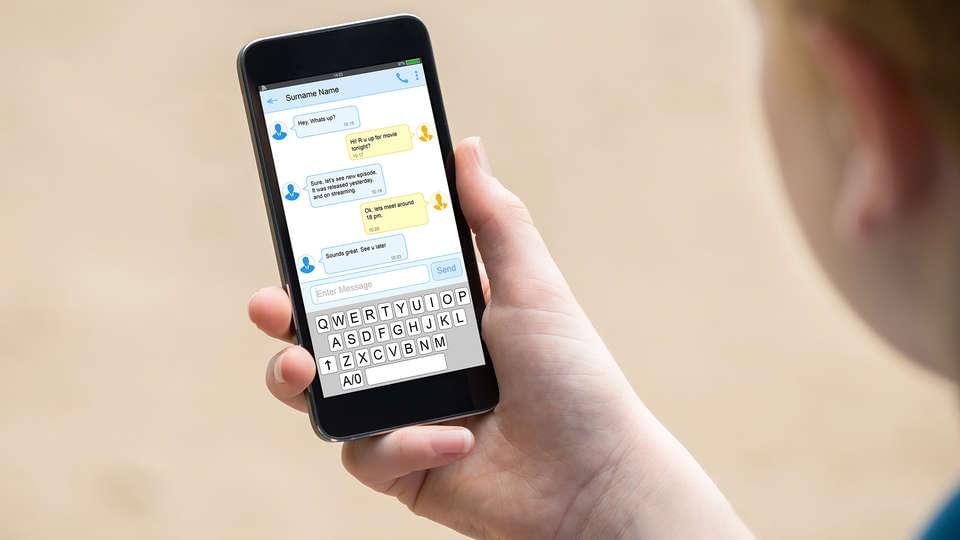
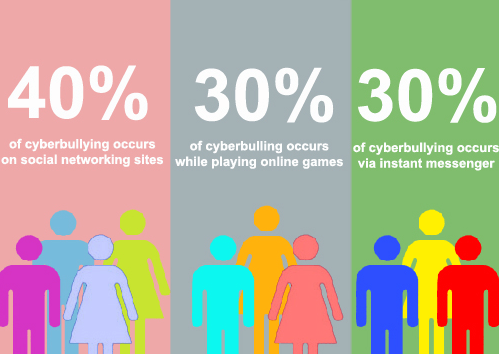
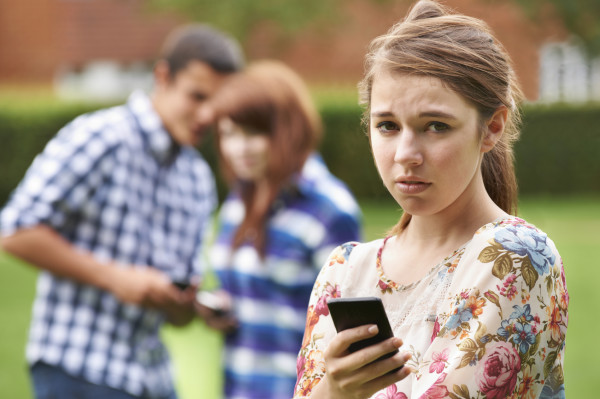
Cyberbullying is the use of digital devices to send threatening or embarrassing messages to or about a person. It acts as an ultimate control tactic designed to create fear in the victims’ minds and make them do things that they feel threatened or uncomfortable with. It can occur through short message service (SMS), apps, text, or in online platforms such as social media, group forums, and even in gaming. It includes sending, sharing, and posting negative content about someone else. Also, sharing personal information about a person that causes embarrassment or humiliation includes in cyberbullying.

Nowadays, cyberbullying is rampant and getting worse. It receives much attention from media over the past few years, as well as from concerned adults and teenagers. It becomes a serious problem especially for young people who are now engaging so much in online. According to Youth Risk Behavior Surveillance System (Centers for Disease Control and Prevention), an estimated 14.9% of high school students were electronically bullied in the 12 months prior to the survey. Cyberbullying is something that should not really be taken for granted.
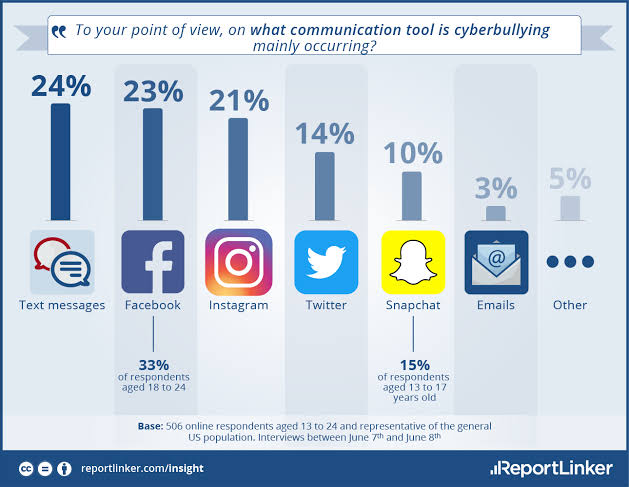
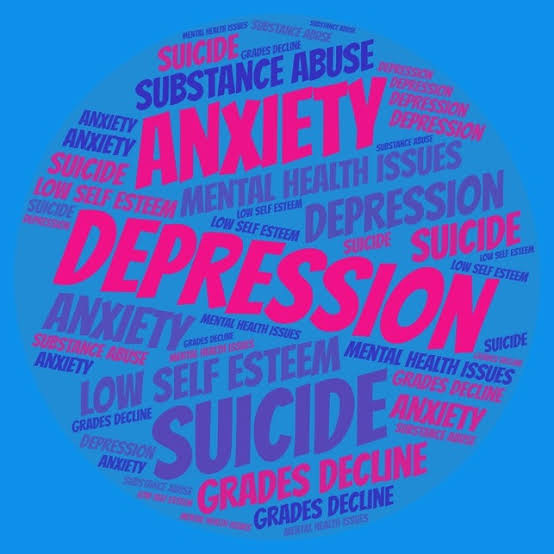
Cyberbullying can be worse than other forms of bullying because it can be anonymous and bullying can occur anytime and anywhere. It has also a wide coverage of audience that can cause it to spread quickly. Furthermore, it takes so many different forms that make it difficult to control. Victims of it often feel hopeless that results much worse effects than traditional bullying. It has been linked to short- and long-term issues for the victims and bullies such as depression, anxiety, poor attendance and achievement at school, and feeling of fear and mistrust of others.

Introduce Yourself (Example Post)

This is an example post, originally published as part of Blogging University. Enroll in one of our ten programs, and start your blog right.

You’re going to publish a post today. Don’t worry about how your blog looks. Don’t worry if you haven’t given it a name yet, or you’re feeling overwhelmed. Just click the “New Post” button, and tell us why you’re here.

Why do this?

  • Because it gives new readers context. What are you about? Why should they read your blog?
  • Because it will help you focus you own ideas about your blog and what you’d like to do with it.

The post can be short or long, a personal intro to your life or a bloggy mission statement, a manifesto for the future or a simple outline of your the types of things you hope to publish.

To help you get started, here are a few questions:

  • Why are you blogging publicly, rather than keeping a personal journal?
  • What topics do you think you’ll write about?
  • Who would you love to connect with via your blog?
  • If you blog successfully throughout the next year, what would you hope to have accomplished?

You’re not locked into any of this; one of the wonderful things about blogs is how they constantly evolve as we learn, grow, and interact with one another — but it’s good to know where and why you started, and articulating your goals may just give you a few other post ideas.

Can’t think how to get started? Just write the first thing that pops into your head. Anne Lamott, author of a book on writing we love, says that you need to give yourself permission to write a “crappy first draft”. Anne makes a great point — just start writing, and worry about editing it later.

When you’re ready to publish, give your post three to five tags that describe your blog’s focus — writing, photography, fiction, parenting, food, cars, movies, sports, whatever. These tags will help others who care about your topics find you in the Reader. Make sure one of the tags is “zerotohero,” so other new bloggers can find you, too.